
The Small Business Expenses Real Estate Agents Forget to Record
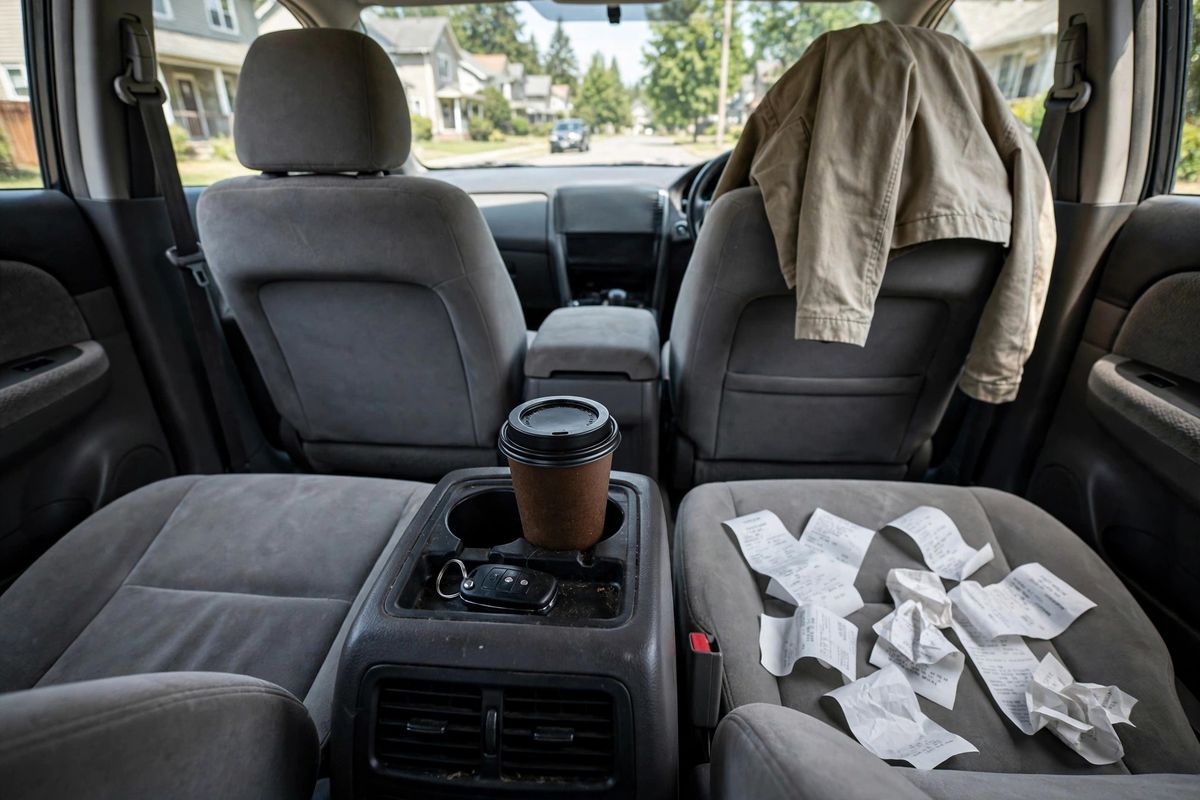
It's rarely the big costs that go missing. It's the small ones — the parking meter, the printed flyers, the coffee with a nervous first-time buyer — that quietly disappear between showings.
An agent's business doesn't happen in an office. It happens in the car, at coffee shops, in driveways, and on phones — dozens of small transactions a day, each one too minor to feel worth writing down. But a year of unrecorded small expenses is a year of incomplete records, and incomplete records are what make tax time painful. Here are the categories agents most often forget, and a simple habit for catching them.
The mileage you don't think of as mileage
Everyone remembers the forty-minute drive to a far-off listing. What gets forgotten is everything else: the twelve minutes to the office supply store for lockbox batteries, the detour to drop off a key, the second trip back because the inspector was late. Under current IRS guidance, business mileage needs a contemporaneous log — date, destination, business purpose, and miles — and reconstructed guesses months later don't carry the same weight. If you only log the "real" trips, you're leaving the most numerous ones out. Confirm with your CPA what counts as business mileage in your situation, especially trips that start from home.
Meals, coffees, and the business-purpose test
Coffee with a past client who "might know someone looking." Lunch with a loan officer where you talked shop for twenty minutes. These feel social, so they don't feel like expenses — but if there was a genuine business purpose, they're worth recording. The rule of thumb: if you can write one honest sentence about the business reason, write it down now. "Coffee with the Nguyens — talked through their pre-approval timeline." Without that sentence, it's just coffee. Whether and how much of it is deductible is your CPA's call under current rules.
Your phone, your home office, and the percentages
Two of the biggest invisible expenses are the ones you pay monthly without thinking. Your phone plan powers your entire business — calls, texts, photos, hotspot at showings — but only the business-use percentage belongs in your records. Same with a home office: if part of your home is used regularly and exclusively for business, a portion of related costs may belong in your records under current IRS guidance. Pick an honest percentage, write down how you calculated it, and apply it consistently. "About 80% business use — I make nearly all calls from this phone and use it for photos, email, and navigation at work" is a defensible starting note. Confirm the method with your CPA.
The dues and fees that feel invisible
MLS dues, association and brokerage fees, lockbox access charges, E&O insurance premiums, license renewal and continuing-education costs — these are the backbone expenses of being an agent, and because they're automatic or annual, they often never make it into a tracking system. They're also among the easiest to document: the invoice or card charge already exists. The failure isn't missing paperwork; it's never putting them on the list. Once a year, walk through every recurring charge tied to your license and your business and make sure each one is recorded.
Staging, photography, and marketing
Staging consultations, professional photography, printed flyers, yard signs, online ads, signage riders — marketing spend is real business spending, but it tends to scatter across cards, apps, and cash. Because it's tied to specific listings, it's also the spending your CPA most wants connected to properties. When you pay for anything listing-related, tag it to the property immediately. Six months later, "photography — $350" means nothing; "photography — 123 Smith Street" tells the whole story.
Client gifts: generous, but with a limit
Closing gifts are good business and good manners — just know the tax treatment has a ceiling. Under current IRS guidance, the deduction for business gifts is limited to $25 per person per year, with certain exceptions. That doesn't mean you shouldn't give the nice bottle of wine; it means you should record the full amount, note the recipient, and let your CPA apply the limit. Confirm the current figure with your CPA, since limits and exceptions change.
The thirty-second habit that catches all of it
You don't need a better memory — you need a faster capture. When money leaves your hand for business, take thirty seconds: record what it was, how much, and which property or client it relates to, and photograph the receipt before it goes in the cup holder. Do it in the moment and the record is accurate; do it in April and it's archaeology. That's the entire system. For a routine that makes the receipt half automatic, see A Simple Receipt Routine for Busy Showing Days.
A note on what counts
Recording an expense is not the same as claiming a deduction. Whether something is deductible, and how much of it, depends on current tax rules and your specific situation — that's a conversation for your CPA, not this article. The goal of capturing everything is simpler: give your accountant the complete picture, and let them make the calls they're trained to make. When you're ready to hand it all over, What to Include in Your CPA Handoff walks through the checklist.
Real agent questions
Do I need a receipt for every small expense?
Keeping a receipt for every business expense is the safest habit, even small ones. Under current IRS guidance, documentary evidence is generally expected for expenses of $75 or more and always for lodging, but a photo of every receipt costs you seconds and removes all guesswork. Confirm record-keeping expectations with your CPA.
Can I deduct driving between home and my first showing?
Commuting — driving from home to your regular place of business — is generally not deductible under current IRS guidance. But many agents don't have one fixed office: driving from home directly to a showing, a listing appointment, or a property may count as business mileage depending on your facts. Because this is one of the most misunderstood areas, confirm your specific situation with your CPA before claiming it.
What counts as a business meal?
A meal generally counts as a business meal when there is a clear business purpose — you discussed business with a client, prospect, or colleague — and it isn't lavish. Note who was there and what you discussed while it's fresh; without that note, it's just lunch. Your CPA can tell you how much of it is deductible under current rules.
How do I track the business percentage of my phone bill?
Estimate the share of your phone use that is genuinely for business — calls, texts, data for showings, apps you use for work — and apply that percentage to the bill. Be honest and consistent, and revisit the percentage if your usage changes. Keep a short note explaining how you arrived at the number so your CPA can review it.
Are client gifts fully deductible?
Not fully. Under current IRS guidance, the deduction for business gifts is limited to $25 per person per year, with some exceptions. A $60 closing gift doesn't become a $60 deduction. Record the full amount you spent, note the recipient, and let your CPA apply the limit — confirm the current figure with them.
This article is educational and does not constitute tax advice. For questions about what you can deduct, check current IRS guidance or ask your CPA.
AgentDeduct is built for the thirty-second capture: log the expense while it's fresh, attach the receipt, tag the property. Join the Agent Beta or open the web app to try it.
← Back to the Journal